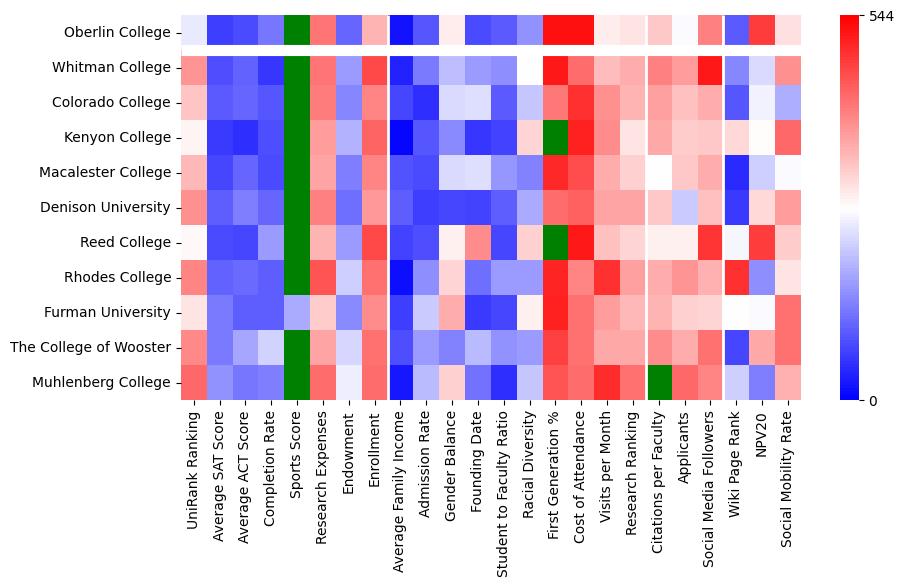
Oberlin College, founded in 1833 in Oberlin, Ohio, has a rich history rooted in progressive values and social justice. As one of the first colleges in the United States to admit African American students and the first to educate women in a coeducational setting, Oberlin has long been at the forefront of educational reform. The college is split into two main divisions: the College of Arts and Sciences and the Conservatory of Music, both of which are renowned for their rigorous academic programs and commitment to fostering an inclusive and dynamic learning environment.
What sets Oberlin apart is its vibrant and engaged campus culture. The institution is well-known for its commitment to sustainability and social activism, providing students with ample opportunities to participate in community service and advocacy. Oberlin's Allen Memorial Art Museum is one of the finest college art museums in the country, offering students and visitors access to an impressive collection of artwork. The college also boasts a unique student cooperative system, one of the largest in the nation, where students can participate in shared living and dining experiences.
Academically, Oberlin is recognized for its strong liberal arts curriculum, emphasizing critical thinking and interdisciplinary learning. The College of Arts and Sciences offers a wide range of majors, but it is particularly celebrated for its programs in music, biology, and creative writing. The Conservatory of Music is world-renowned, offering top-tier music education and producing graduates who go on to have successful careers in the arts. Oberlin's faculty are highly accomplished and often include Fulbright Scholars and recipients of other prestigious awards, which enhances the quality of education and mentorship available to students.
While Oberlin College has many strengths, like any institution, it faces challenges. The college's location in a small town can be perceived as isolating, which might not suit all students seeking a bustling urban environment. Additionally, the rigorous academic environment can be demanding, which may not align with everyone's learning style. Furthermore, the cost of tuition is relatively high, although Oberlin does offer financial aid to help mitigate expenses. Despite these drawbacks, Oberlin remains a compelling choice for students seeking a progressive and intellectually stimulating college experience.